2026 Top Mobile Battery Trends Every Buyer Should Know?
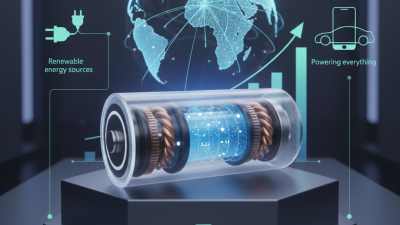
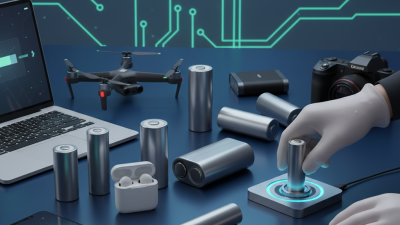
As we approach 2026, understanding the latest trends in mobile battery technology becomes crucial for consumers. According to a report by Markets and Markets, the global mobile battery market is expected to reach $30 billion by 2025. This rapid growth highlights the increasing demand for efficient, durable, and fast-charging batteries.
Mobile battery innovation has shifted towards sustainability and performance. More consumers are now prioritizing eco-friendly options. For instance, advancements in lithium-silicon chemistry promise higher energy density and longer lifespans. Yet, many buyers are still unaware of these developments. This lack of knowledge can lead to missed opportunities in enhancing their mobile experience.
Some trends may seem promising but require caution. For example, ultrafast charging technology could lead to potential battery degradation over time. Users must balance speed and battery health. Staying informed about mobile battery trends is essential for making wise choices. Understanding these dynamics will empower buyers and ensure satisfaction with their mobile devices.
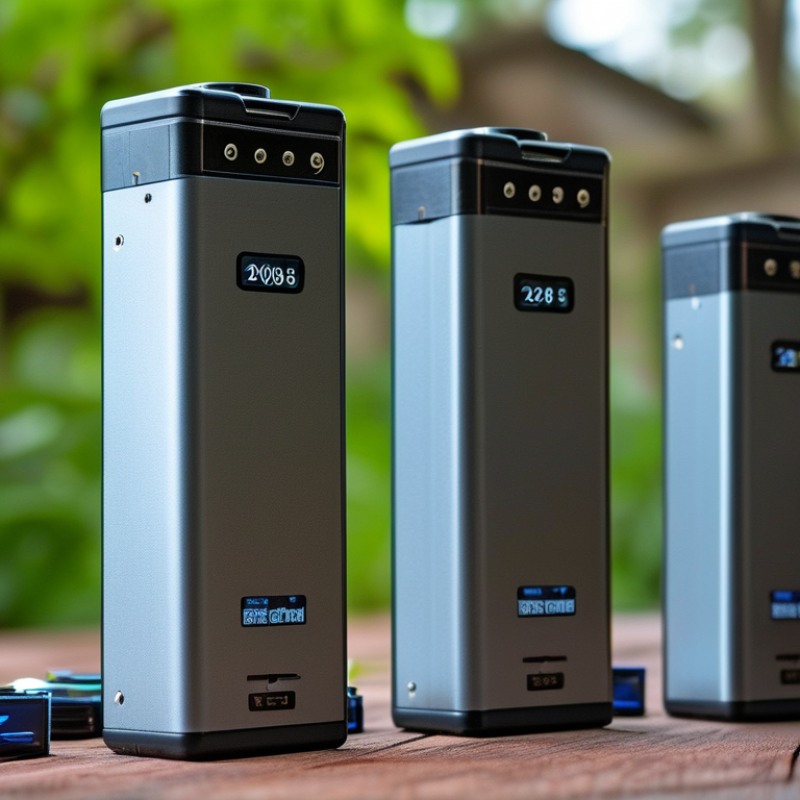
Emerging Technologies in Mobile Battery Design and Manufacturing
The mobile battery landscape is evolving rapidly, driven by emerging technologies in design and manufacturing. According to a recent industry report, the global lithium-ion battery market is expected to reach $90 billion by 2026. Advanced materials like solid-state batteries are entering the game, promising higher energy densities and improved safety. These innovations could dramatically increase the lifespan and efficiency of mobile devices.
Battery design is also shifting towards sustainability. The industry is increasingly focused on using recycled materials. A study indicates that up to 20% of battery components could be derived from recycled sources by 2025. This shift can significantly reduce the environmental impact of battery production. However, these changes require careful scrutiny; the recycling processes themselves must be energy efficient to avoid counterproductive outcomes.
For users, it’s crucial to stay informed about these trends as they will directly influence the performance of future devices. Understand the implications of battery technology shifts. Consider the sustainability of materials used in battery production. Users should be aware of how these innovations might make devices last longer and reduce charging times, but also be prepared for potential limitations in availability or compatibility. Keeping abreast of these trends can empower consumers to make informed choices about their mobile devices.
Impact of Solid-State Batteries on Mobile Devices and User Experience
The rapid evolution of solid-state batteries is reshaping mobile devices and enhancing user experience. According to a recent report by IDTechEx, solid-state batteries can achieve energy densities up to 500 Wh/kg. This is significantly higher than traditional lithium-ion batteries, which typically offer around 150-250 Wh/kg. Such advancements allow for longer battery life and reduced device weight, addressing user demands for portability and efficiency.
Solid-state technology also introduces improved safety features. The solid electrolyte is less flammable than liquid electrolytes, decreasing the risk of overheating or explosion. A study from the National Renewable Energy Laboratory indicated that solid-state batteries could reduce incidents by up to 50%. However, challenges remain in manufacturing scalability and costs. The production of these batteries is currently more complex, making them less accessible for mainstream devices. Users may need to stay informed about pricing trends as this technology advances.
The user experience will likely shift as solid-state batteries become more common. With faster charging times and greater longevity, everyday mobile activities will feel more seamless. Yet, expectations must be tempered. Transitioning to this technology does not happen overnight. Manufacturers face technical hurdles, and consumers may experience fluctuating availability in the market. Balancing innovation with practical deployment remains a critical consideration for all stakeholders.
Sustainable Practices in Mobile Battery Production and Disposal
The mobile battery industry is witnessing a significant shift toward sustainable practices. Manufacturers are now emphasizing eco-friendly materials in battery production. For instance, the use of recycled metals, such as cobalt and nickel, is becoming more common. This reduces the environmental impact of mining. However, many processes are still not as efficient as they should be. There remain challenges in sourcing sustainable materials that do not compromise performance.
Disposal practices are equally important. A growing number of companies advocate for battery recycling programs. These programs aim to minimize waste and repurpose materials effectively. Unfortunately, awareness and participation levels remain low among consumers. The infrastructure for battery recycling is still underdeveloped in many areas. Consumers often discard batteries irresponsibly, leading to environmental hazards.
Educating users about the significance of proper disposal is crucial. Many do not realize that discarded batteries can leak harmful chemicals into the environment. The industry must strive for better education and clearer guidelines. Balancing innovation with sustainability is a complex task that requires continuous effort. The future of mobile batteries hinges on these sustainable practices, yet progress is uneven and requires persistent improvement.
Trends in Fast-Charging Technology for Consumer Electronics
Fast-charging technology is revolutionizing consumer electronics. In 2023, reports show that over 80% of consumers prioritize charging speed when choosing devices. This demand has led to innovations in lithium-ion and solid-state batteries. These advancements allow for charging rates that can replenish a device’s battery to 50% in just 15 minutes.
The average smartphone now supports at least 25 watts of fast charging. Some devices even exceed 100 watts, a stark contrast to the standards set just five years ago. Various manufacturers are exploring GaN (gallium nitride) technology. GaN chargers are smaller and more efficient, providing faster charging without overheating. Yet, the downside is that not all devices are compatible, leading to confusion among buyers.
Environmental concerns also arise with fast-charging technologies. Rapid charging can lead to battery degradation over time. Some studies suggest that frequent fast charging could shorten battery lifespan by up to 30%. Consumers must weigh the convenience of quick charging against long-term battery health. These complex factors are crucial for making informed decisions in 2026 and beyond.
Innovations in Battery Life Optimization and Energy Management Systems
In recent years, optimizing battery life and energy management systems has become crucial for mobile devices. Innovations in technology are reshaping how batteries perform and consume energy. Enhanced algorithms now predict user behavior, adjusting settings to save power. These systems monitor app usage, limiting background activities when the device is idle. This not only extends battery life but also improves overall user experience.
Battery optimization goes beyond mere software. Manufacturers are seeking new materials to increase energy density. Solid-state batteries, for instance, promise higher capacities without compromising safety. These advancements hold great potential, yet they come with challenges. Manufacturing processes must scale efficiently, ensuring that the benefits are realized in mass production.
Consumers should be aware of battery lifespan and management. Over time, batteries degrade, impacting device performance. Proper charging practices and regular software updates can mitigate this decline. Many users overlook these simple tasks, leading to premature battery failure. Understanding energy consumption habits will empower users to make informed decisions, prolonging the life of their devices.
2026 Top Mobile Battery Trends Every Buyer Should Know
| Trend |
Description |
Expected Impact |
Adoption Rate (%) |
| Solid-State Batteries |
Replacing liquid electrolytes with solid materials for higher energy density and safety. |
Increased battery life and reduced risk of leaks. |
30% |
| Fast Charging Technology |
Innovations in charging algorithms and hardware that significantly reduce charging times. |
Enhanced user experience with smartphones. |
55% |
| AI-Driven Energy Management |
Utilizing AI to optimize battery performance based on usage patterns. |
Improved battery efficiency and longevity. |
50% |
| Recycling and Sustainability |
Increased focus on eco-friendly battery disposal and recycling methods. |
Reduction in environmental impact from battery waste. |
40% |
| Wireless Charging Advancement |
Enhancements in magnetic resonance technology for more efficient wireless power transfer. |
Convenience in charging without cables. |
35% |