What is Lithium Marine Batteries and How Do They Work?
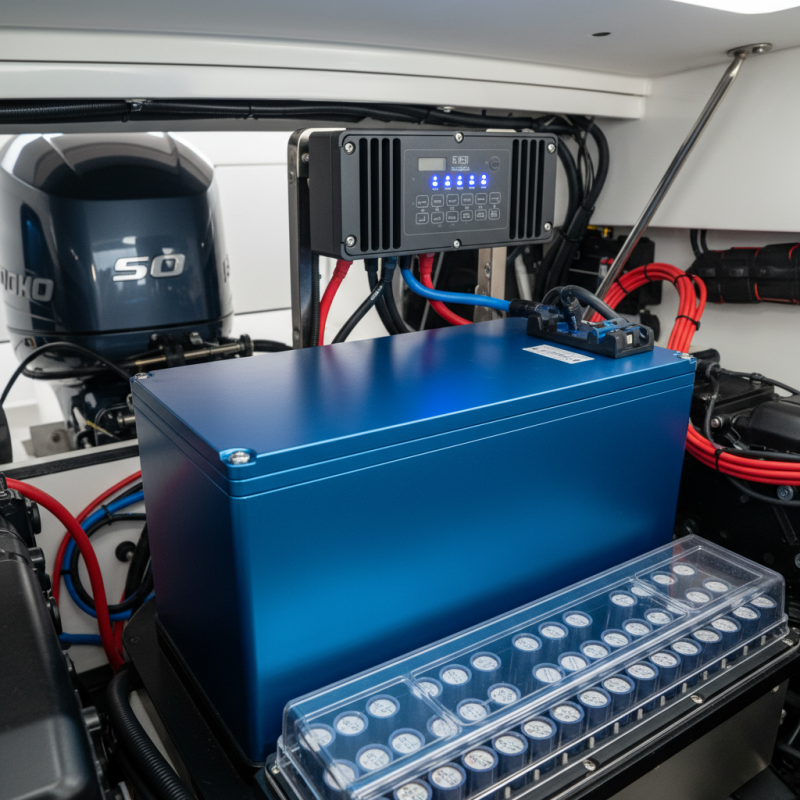
Lithium Marine Batteries are revolutionizing the marine industry. These batteries offer greater energy storage compared to traditional options. Their lightweight design makes them ideal for boats and yachts.
Understanding how Lithium Marine Batteries work is essential for boat owners. These batteries utilize lithium-ion technology, which ensures high efficiency and longevity. Unlike lead-acid batteries, they can be discharged deeply without significant damage. This capability means more power for extended trips at sea.
However, challenges still exist with Lithium Marine Batteries. They require specific charging systems for optimal performance. Additionally, safety measures must be in place to prevent overheating. The transition to lithium technology may not be straightforward for everyone. Yet, the advantages suggest a promising future for marine energy solutions.
What Are Lithium Marine Batteries? An Overview of their Composition
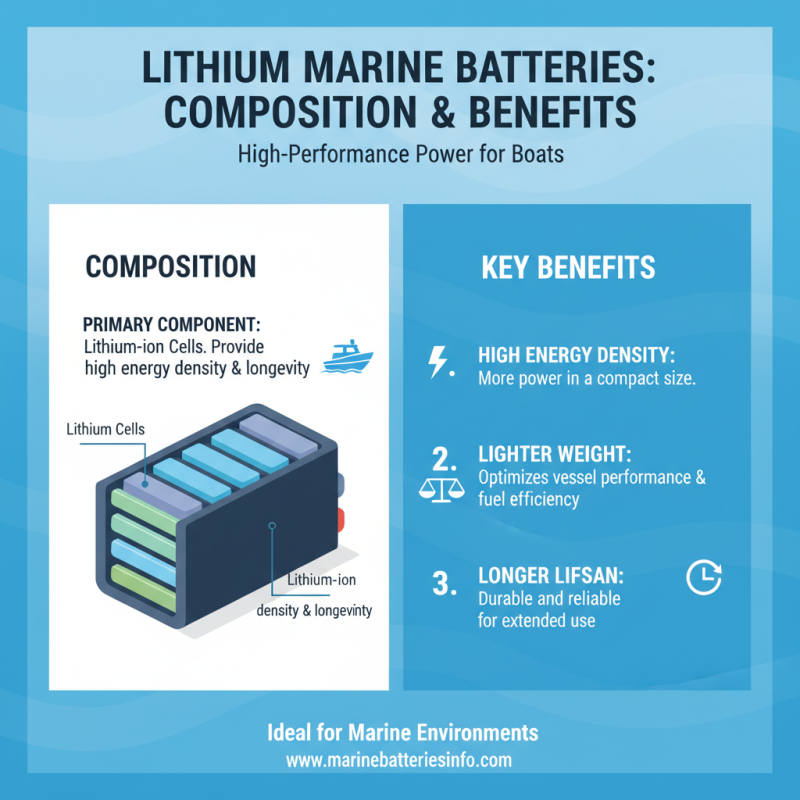
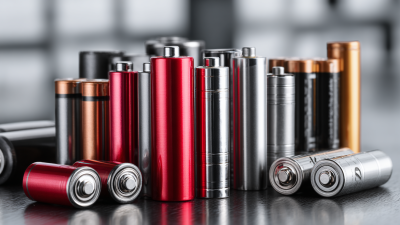
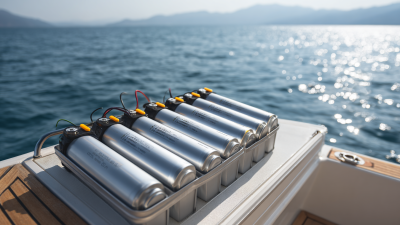
Lithium marine batteries are specialized power sources designed for use in boats and marine environments. They consist primarily of lithium-ion cells, which provide high energy density and longevity. These batteries are often lighter than traditional lead-acid batteries, making them ideal for optimizing vessel performance.
Their composition includes a cathode made of lithium metal oxide, an anode generally made of graphite, and a lithium salt electrolyte. This combination results in efficient energy storage and quick charge cycles. Marine lithium batteries can endure deep discharges and offer a longer lifespan, often exceeding 3,000 cycles.
**Tips:** When selecting lithium marine batteries, pay attention to their capacity and weight. A lighter battery can improve vessel handling. Always maintain proper ventilation during charging to avoid heat buildup. Regularly check battery health, as consistent performance is crucial on open waters. Balancing these factors can greatly enhance safety and efficiency during your maritime adventures.
Key Benefits of Lithium Marine Batteries Over Traditional Lead-Acid Batteries
Lithium marine batteries offer significant advantages over traditional lead-acid batteries. Notably, they have a longer lifespan. Research indicates that lithium batteries can last up to 10 times longer than lead-acid options. This longevity reduces replacement frequency and lowers long-term costs.
Another compelling benefit is efficiency. Lithium batteries can discharge 95% of their capacity, while lead-acid models typically only provide about 50%. This means more usable power for onboard systems. Additionally, lithium batteries charge much faster. A standard lithium battery can reach full charge in about two hours, compared to around eight hours for lead-acid alternatives.
Weight is also a crucial factor. Lithium batteries are noticeably lighter, resulting in better performance and handling. A typical lithium battery weighs about half as much as a comparable lead-acid battery. However, cost remains a barrier. Upfront, lithium batteries are more expensive, which may deter some users. Balancing these factors is essential for boaters looking to upgrade their power systems effectively.
How Lithium Marine Batteries Function: Charge and Discharge Mechanisms
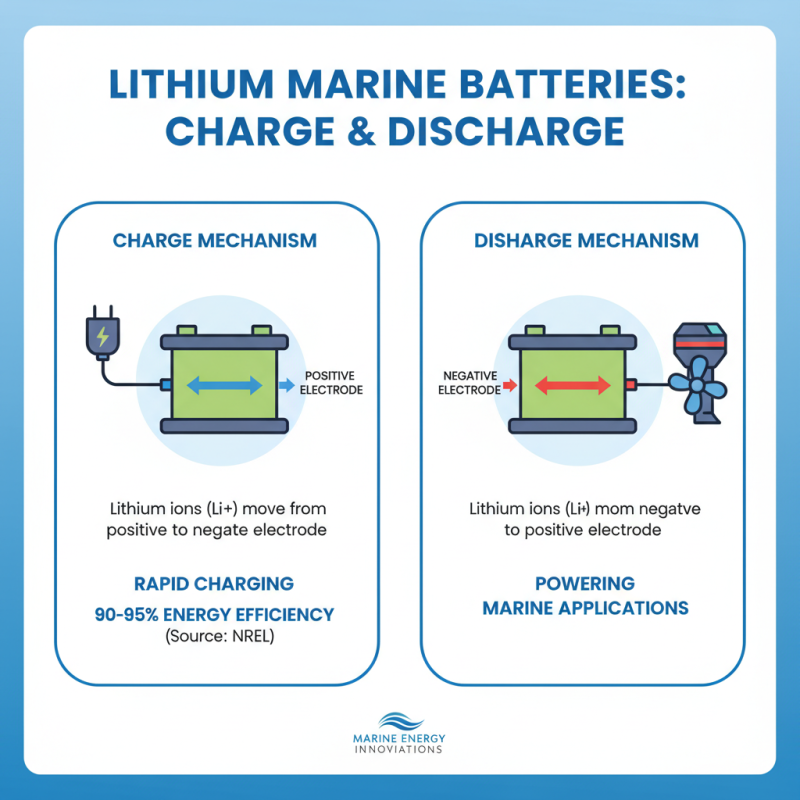
Lithium marine batteries have gained attention for their innovative design and efficiency in energy storage. Their unique charge and discharge mechanisms differentiate them from traditional lead-acid batteries. During charging, lithium ions move from the positive electrode to the negative one. This process allows for rapid charging capabilities. According to a report by the National Renewable Energy Laboratory, lithium batteries can achieve an overall efficiency of 90-95% in energy utilization.
Discharge mechanisms in lithium marine batteries are equally impressive. When in use, lithium ions flow back to the positive electrode, releasing energy. This cycle can occur thousands of times, providing longevity. Studies indicate that a lithium battery’s lifespan can exceed 5,000 charge cycles, significantly outperforming lead-acid batteries, which may only last about 1,000 cycles. This durability makes them suitable for marine applications where reliability is critical.
Despite their advantages, some users may note potential drawbacks. For instance, lithium batteries can be sensitive to temperature fluctuations, leading to reduced performance. Additionally, initial costs remain high compared to traditional batteries, posing a challenge for budgeting. Continuous research is needed to address these concerns and further enhance battery technology, ensuring efficient and sustainable solutions for marine environments.
Typical Applications of Lithium Marine Batteries in the Maritime Industry
Lithium marine batteries are becoming vital in the maritime industry. They offer numerous benefits, especially in efficiency and reliability. These batteries are lightweight and provide higher energy density. According to a report by the International Maritime Organization, the use of lithium batteries can reduce overall vessel weights by up to 20%. This reduction can significantly enhance fuel efficiency.
Typical applications include powering electric propulsion systems and auxiliary equipment on boats. Many vessels now rely on lithium batteries for their hybrid systems, balancing traditional fuel engines with electric power. As per industry studies, more than 30% of newbuilders are incorporating lithium battery systems in their designs. However, challenges remain. While lithium batteries outperform traditional lead-acid in lifespan and charging speed, issues related to thermal management can occur.
Moreover, the maritime sector grapples with safety standards for lithium technology aboard ships. Some reports suggest that up to 15% of maritime professionals are still uncertain about these standards. This reflects a need for ongoing education and improvement in safety practices. As the industry matures, optimizing the integration of lithium batteries will be crucial for future advancements in maritime operations.
Industry Trends: The Future of Lithium Batteries in Marine Technology
The marine industry is increasingly adopting lithium batteries due to their efficiency and longevity. Industry reports indicate that the global market for lithium marine batteries is projected to grow at a compound annual growth rate (CAGR) of over 20% through 2030. This growth is driven by the need for cleaner energy sources and heightened environmental regulations.
One significant trend is the push towards hybrid systems, which combine traditional energy sources with lithium batteries. Hybrid systems can reduce fuel consumption by up to 30%. Many boat manufacturers are now integrating these systems to meet market demands for sustainable solutions. Additionally, advancements in battery management systems enhance the reliability and lifespan of these batteries, making them a preferred choice for marine applications.
Tips: Conduct regular maintenance checks on your battery systems. This will help detect potential issues early.
While lithium batteries provide many benefits, they come with challenges. Safety concerns, such as thermal runaway, necessitate proper installation and management. Proper training for crew members is essential. Understanding battery fundamentals is key to preventing incidents.
The shift toward lithium technology marks a pivotal change in marine operations. Continued investment in research and development will likely address lingering safety concerns and accelerate adoption.