Top 5 Tips for Choosing Lithium Golf Cart Batteries?
Choosing the right lithium golf cart batteries is crucial for performance. With the growing popularity of electric golf carts, the demand for these batteries has surged. According to a market analysis by Grand View Research, the global lithium-ion battery market is expected to reach $90 billion by 2025. This growth signals a shift towards more efficient energy solutions.
Lithium golf cart batteries offer numerous advantages, including longer life cycles and faster charging times. They can last up to twice as long as traditional lead-acid batteries. However, selecting the right battery can be challenging. Factors such as voltage, capacity, and weight must be considered. Poor choices can lead to decreased cart performance and increased costs.
Investing in quality lithium golf cart batteries is essential for maximizing your cart’s efficiency. While many brands promise long-lasting performance, not all deliver. Research and reviews play a vital role in making informed decisions. It's important to evaluate your specific needs carefully to ensure you choose wisely.
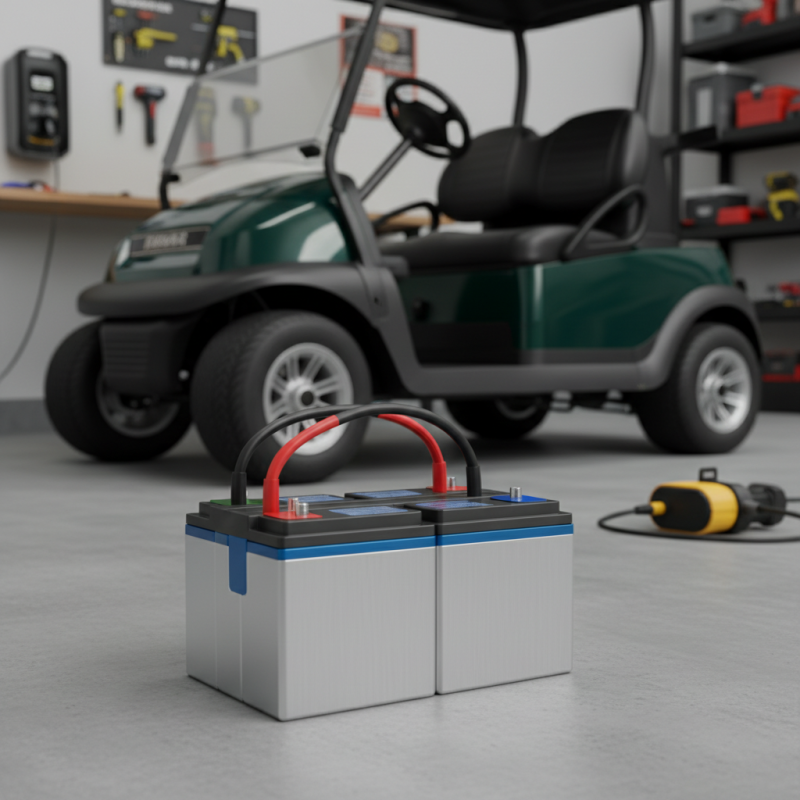
Understanding Lithium vs. Lead-Acid Batteries in Golf Carts
When considering batteries for golf carts, understanding the differences between lithium and lead-acid options is crucial. Lithium batteries have gained popularity in recent years for their superior performance. According to a report by the Battery University, lithium batteries can last up to 10 years with proper care, whereas lead-acid batteries typically last only 3 to 5 years. This extended lifespan makes lithium a more economical choice in the long run.
Lead-acid batteries are heavier and require regular maintenance, including equalization and water replenishment. In contrast, lithium batteries are lighter and maintenance-free. They can be charged quickly, which is essential for busy golf course operators. A survey by the National Golf Foundation revealed that golf cart manufacturers are increasingly recommending lithium due to its efficiency.
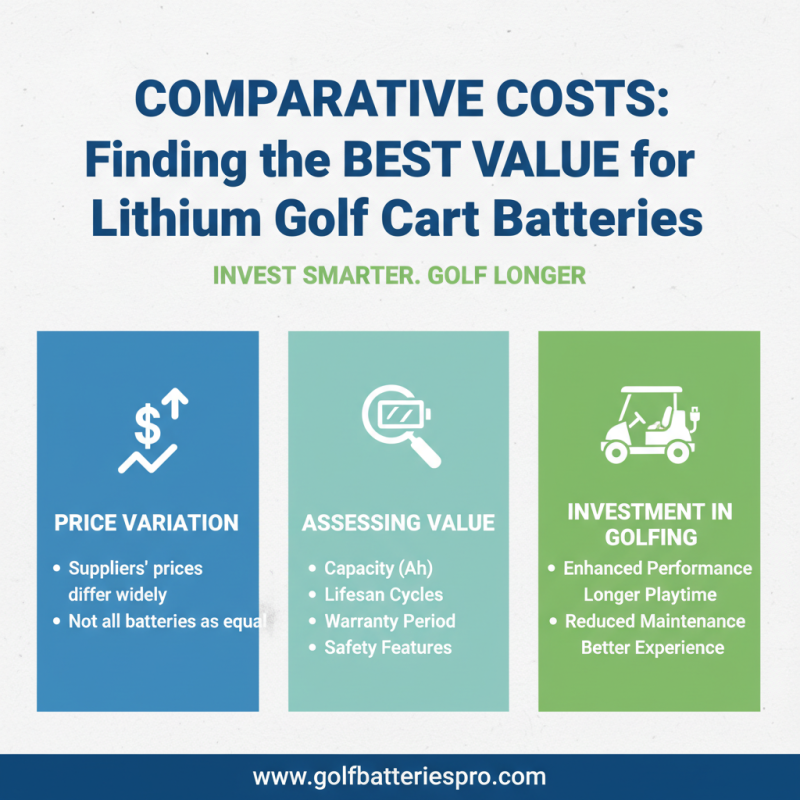
However, lithium batteries typically come with a higher upfront cost. Users must evaluate if the investment aligns with their needs. A thorough analysis of your golf cart's usage patterns is beneficial. Remember that each battery type has its pros and cons, making informed decisions vital. Balancing initial costs against long-term benefits is key to choosing the right battery for your golf cart application.
Battery Comparison: Lithium vs. Lead-Acid for Golf Carts
This chart compares the key metrics of Lithium and Lead-Acid batteries for golf carts, highlighting factors such as cost, lifespan, weight, charge time, and maintenance requirements. Use this information to make an informed decision when choosing battery types for optimal performance.
Battery Capacity and Voltage: Key Considerations for Longevity
When selecting lithium golf cart batteries, battery capacity and voltage should be top priorities. Capacity indicates how much energy the battery can store. A higher capacity translates to longer runtime. However, it doesn't always mean better performance. Understanding your cart's actual requirements is crucial. Too much capacity can lead to wasted energy and cost.
Voltage plays an equally important role. It determines the speed and power of your cart. Ensure the voltage matches your golf cart’s specifications. A mismatch can cause inefficiency or damage. This might not be an obvious issue at first, but over time it can affect the battery’s lifespan.
Take the time to assess your average usage. Determine the distance you typically travel on a single charge. Many users overlook this step. Inaccurate assumptions can lead to premature battery wear. Ultimately, selecting the right battery involves balancing capacity and voltage to suit your needs effectively. Think carefully to avoid common pitfalls in battery selection.
Evaluating Weight and Size for Optimal Golf Cart Performance
When selecting lithium golf cart batteries, evaluating weight and size is crucial for performance. The compact nature of lithium batteries allows for better placement in your golf cart. This placement can affect overall weight distribution and handling. A lightweight battery can enhance acceleration and extend range, ensuring you enjoy smooth rides over long days on the course.
Choosing the right dimensions also matters. A battery that fits snugly in its compartment can reduce vibrations and movement. This stability leads to a more consistent performance. However, balancing weight is essential. A battery too heavy can weigh down the cart, while one that is too light might not provide adequate power. It’s a delicate dance, requiring careful consideration.
Don’t forget about your golf cart’s specifications. Ensure that the battery voltage matches your cart’s needs. Mismatches can lead to inefficient performance. This is where trial and error comes in. You might find that testing different battery weights and sizes feels tedious but is ultimately rewarding. Document your experiences to refine your choices over time.
Top 5 Tips for Choosing Lithium Golf Cart Batteries
| Feature |
Recommendation |
Impact on Performance |
| Weight |
Choose lighter batteries (20-30% less weight) |
Improves speed and handling |
| Size |
Select compact models fitting in the cart |
Ensures optimal space utilization |
| Capacity (Ah) |
Opt for higher capacity (≥100 Ah) |
Extends runtime before recharge |
| Type of Lithium |
Lithium Iron Phosphate (LiFePO4) |
Offers better safety and longevity |
| Warranty |
Look for at least 5 years |
Protects investment and ensures quality |
Assessing Charge Cycles and Lifespan of Lithium Batteries
When evaluating lithium golf cart batteries, understanding charge cycles is crucial. The average lithium battery lasts for about 2,000 to 5,000 charge cycles. This variance heavily relies on maintenance and usage patterns. Consistently running a battery too low can significantly shorten its lifespan. Regular charging within a moderate range can enhance overall durability.
Another factor to consider is the lifespan of these batteries, typically spanning 5 to 10 years. Some reports highlight that maintaining optimal charging conditions can lead to a lifespan extension. Lithium batteries often perform better in fragmented usage compared to lead-acid alternatives. Those are known for declining performance within just 500 to 1,000 cycles.
One must also acknowledge the differences in capacity retention over time. While lithium batteries may start losing capacity after several years, their overall performance remains superior initially. This trade-off could be a point of reflection for users, especially when weighing cost versus longevity. Choices around battery types should consider both short-term performance and long-term sustainability.