Top 10 Benefits of Lithium Iron Phosphate Battery for Sustainable Energy Solutions

The rapid shift towards sustainable energy solutions has brought various battery technologies into the spotlight, with the Lithium Iron Phosphate Battery (LiFePO4) emerging as a frontrunner. This type of battery is renowned for its safety, longevity, and environmental friendliness, making it a preferred choice for applications ranging from electric vehicles to renewable energy storage systems. According to recent industry reports, the global demand for Lithium Iron Phosphate Batteries is expected to grow exponentially, with a projected market increase from $1.5 billion in 2022 to over $6 billion by 2027, driven by heightened environmental awareness and governmental policies promoting clean energy.
Top 10 Benefits of Lithium Iron Phosphate Battery for Sustainable Energy Solutions

Experts in the field, such as Dr. Emily Zhang, a leading researcher at the Battery and Energy Technologies Lab, have highlighted the significance of this battery type in the transition to sustainable energy. Dr. Zhang stated, "The Lithium Iron Phosphate Battery not only offers a lower environmental impact compared to conventional lithium-ion batteries, but its impressive cycle life makes it an ideal choice for both large-scale and portable applications." As we delve into the top benefits of Lithium Iron Phosphate Batteries, it becomes clear that their potential is not just a trend but a transformative force in the quest for sustainable energy solutions.

Advantages of Lithium Iron Phosphate Batteries in Renewable Energy Storage
Top 10 Benefits of Lithium Iron Phosphate Battery for Sustainable Energy Solutions

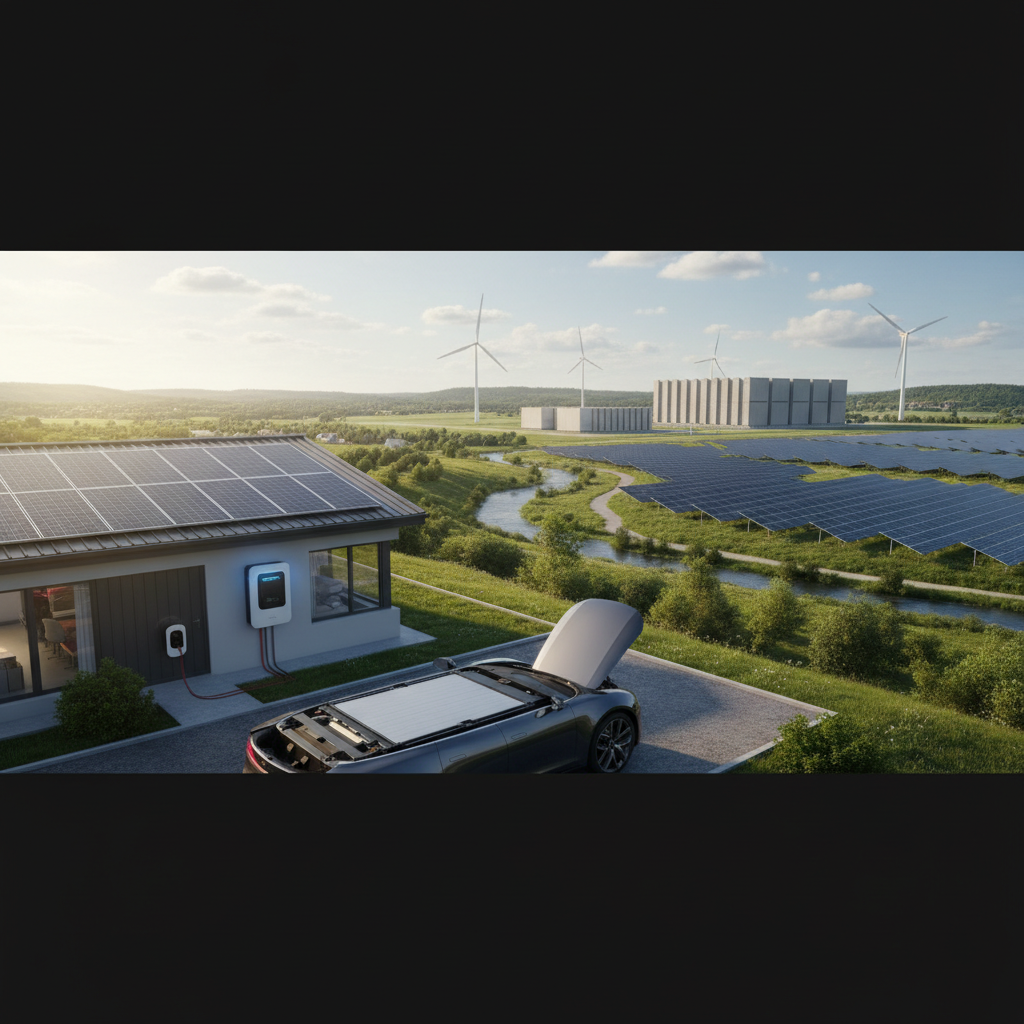
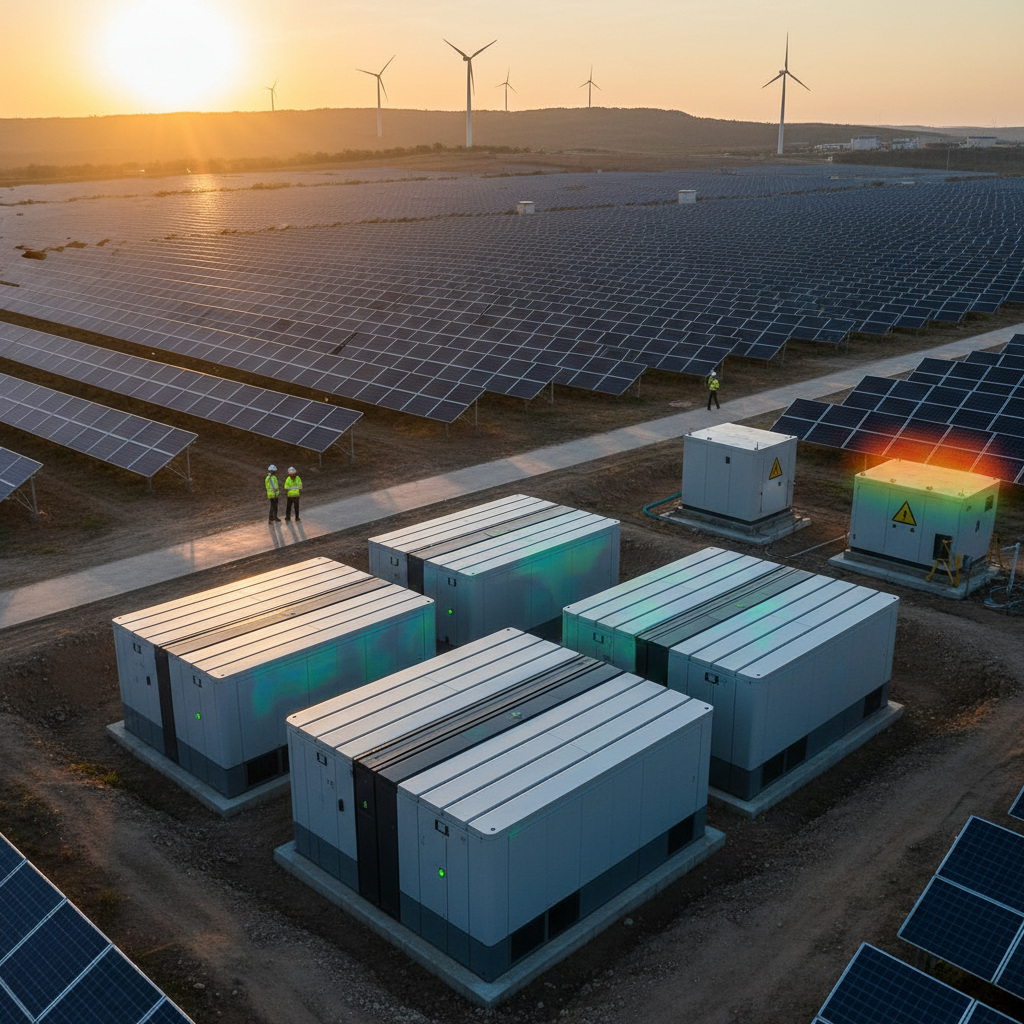
Lithium Iron Phosphate (LiFePO4) batteries have emerged as a pioneering solution for renewable energy storage, thanks to their distinct advantages. One of the most significant benefits is their excellent thermal stability and safety profile. Unlike other lithium-ion batteries, LiFePO4 is less prone to overheating and thermal runaway incidents, making it a safer choice for energy storage systems. This characteristic is particularly crucial in large-scale installations where safety is paramount, such as solar farms and wind energy systems.

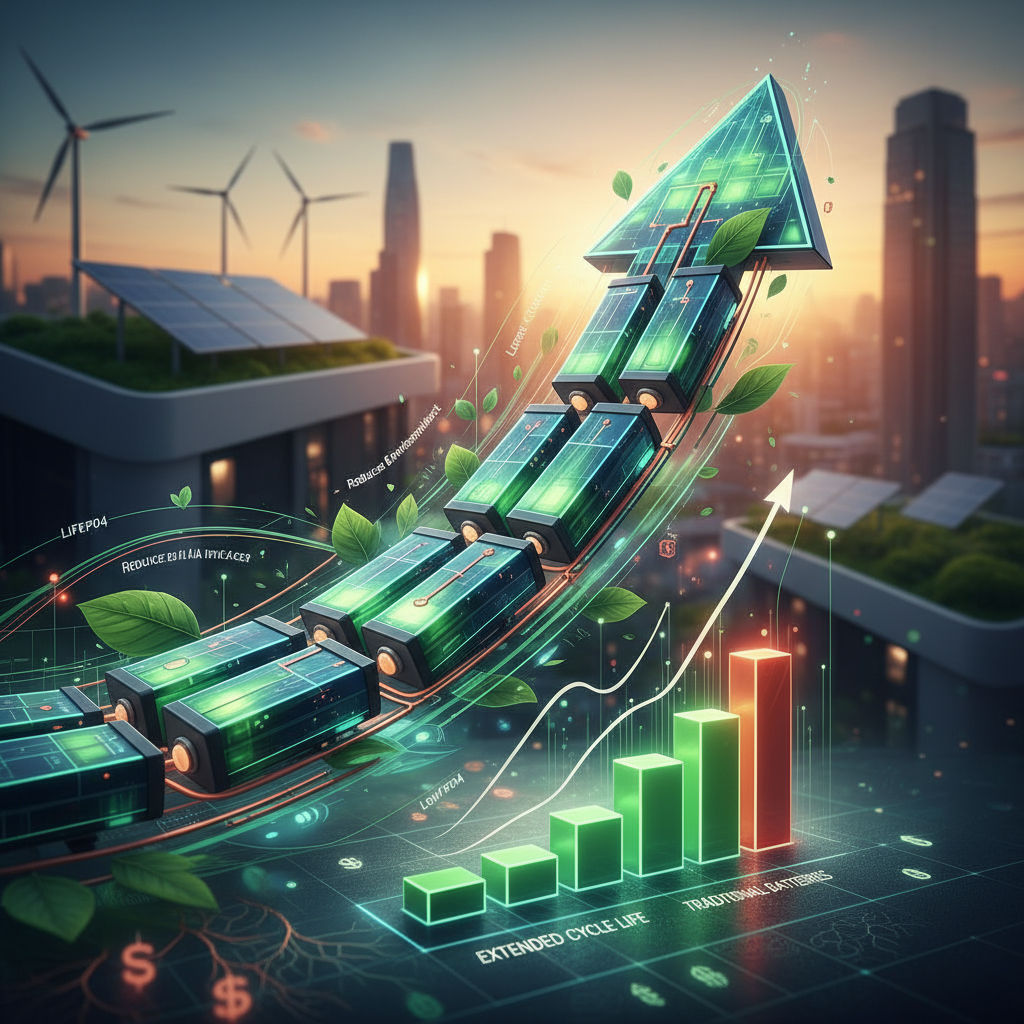
Furthermore, LiFePO4 batteries offer a longer cycle life compared to conventional lithium-ion batteries. They can typically endure more charge and discharge cycles, which translates to reduced costs over time as users spend less on replacements. This longevity is especially beneficial for applications in renewable energy, where batteries must withstand frequent cycles due to the variable nature of energy generation. The combination of safety, longevity, and relatively low environmental impact positions Lithium Iron Phosphate batteries as an ideal choice for optimizing sustainable energy storage solutions.
Enhanced Safety Features of Lithium Iron Phosphate Technology

Lithium Iron Phosphate (LiFePO4) batteries offer remarkable safety features that set them apart in the realm of sustainable energy solutions. One of the most significant advantages of this technology is its inherent thermal stability. Unlike traditional lithium-ion batteries that can experience thermal runaway, LiFePO4 cells are less prone to overheating. This characteristic reduces the risk of fires and explosions, making them an ideal choice for applications in electric vehicles and renewable energy storage systems.

Moreover, the chemical composition of lithium iron phosphate contributes to its safety profile. The material is stable at higher temperatures, which minimizes the chances of degradation and failure. This durability not only extends the lifespan of the battery but also enhances its reliability in critical applications. Additionally, the non-toxic and eco-friendly nature of LiFePO4 makes it a safer alternative to other battery chemistries, aligning perfectly with the principles of sustainable energy.

As demand for safe and efficient energy storage continues to grow, lithium iron phosphate technology stands out as a reliable solution that prioritizes safety without compromising performance.

Longer Lifespan and Durability of Lithium Iron Phosphate Batteries

Lithium Iron Phosphate (LiFePO4) batteries are gaining popularity as a sustainable energy solution, primarily due to their impressive lifespan and durability. Unlike traditional batteries, these lithium-based cells can last up to ten years or more, significantly reducing the frequency of replacements. This longevity is not only cost-effective but also lessens the environmental impact associated with battery waste. The resilience of LiFePO4 batteries to thermal and mechanical stresses further enhances their attractiveness, making them suitable for a variety of applications, from electric vehicles to renewable energy storage systems.

Tips: To maximize the lifespan of your Lithium Iron Phosphate battery, ensure proper charging practices by avoiding overcharging and deep discharging. Keeping the battery within the recommended temperature range is crucial for preserving its integrity over time. Additionally, regular maintenance checks can help identify any potential issues before they escalate.

The durability of lithium iron phosphate batteries also stems from their robust chemistry, which offers a higher stability compared to other lithium batteries. This stability means less degradation over time, allowing them to maintain efficiency even after numerous charge cycles. These features make LiFePO4 batteries an excellent choice for businesses and households seeking to reduce their carbon footprint while enjoying reliable energy storage solutions.

Tips: When selecting LiFePO4 batteries, consider investing in a quality Battery Management System (BMS) to monitor performance and prevent potential hazards. This proactive approach ensures optimal performance throughout the battery’s lifespan, further maximizing your investment in sustainable energy technology.

Cost-Effectiveness of Lithium Iron Phosphate for Green Energy Solutions

Top 10 Benefits of Lithium Iron Phosphate Battery for Sustainable Energy Solutions

Lithium Iron Phosphate (LiFePO4) batteries are emerging as a cost-effective option for sustainable energy solutions. One of the most compelling advantages of LiFePO4 is its long cycle life, which significantly reduces replacement costs over time. This longevity not only lowers the total cost of ownership but also minimizes environmental impact, making it an attractive choice for both individual consumers and businesses looking to invest in green energy. Additionally, their thermal stability and safety features mean fewer risks and lower insurance costs, enhancing their financial appeal.

Tips: When considering LiFePO4 batteries, assess your specific energy needs and usage patterns to choose the right capacity and configuration. Take advantage of incentives or rebates offered for renewable energy investments, as these can greatly offset initial setup costs. Lastly, connect with local energy consultants who can provide insights into optimal installation practices and ongoing maintenance strategies.

Moreover, LiFePO4 batteries are less expensive than many other lithium-ion options, particularly in larger energy storage systems. Their efficient energy utilization maximizes performance, which translates to lower operational costs for renewable energy installations. As businesses and homeowners increasingly look to solar panels and wind turbines for energy, the affordability and performance of LiFePO4 batteries position them as a smart investment in sustainable energy innovation.

Tips: Be proactive in researching battery suppliers to ensure you find competitive pricing and high-quality products. Regularly evaluate market trends, as advancements in battery technology can lead to improved cost-effectiveness and efficiency over time. Make informed decisions based on the latest data to enhance the sustainability of your energy solutions.

Environmental Impact Reduction with Lithium Iron Phosphate Battery Usage

Lithium Iron Phosphate (LiFePO4) batteries represent a significant advancement in the quest for sustainable energy solutions, particularly when it comes to reducing environmental impacts. Unlike traditional lithium-ion batteries, LiFePO4 batteries are less toxic and exhibit a lower risk of environmental contamination. The materials used in their production are more abundant and widely sourced, which decreases the ecological footprint associated with raw material extraction and processing. This advantage is paramount as the push for cleaner energy sources intensifies amid growing concerns about climate change and pollution.

Furthermore, LiFePO4 batteries provide increased safety and longevity, contributing to sustainability by minimizing waste. With their extended lifecycle, these batteries help reduce the frequency of replacements and the associated environmental burden of disposal or recycling. The stability of LiFePO4 chemistry ensures that these batteries operate at higher temperatures without the risk of thermal runaway, thus directly addressing safety concerns prevalent in other battery technologies. As more industries and consumers adopt LiFePO4 batteries, not only do we witness a shift toward cleaner energy alternatives, but also a tangible reduction in the environmental impact of energy storage solutions.

Top 10 Benefits of Lithium Iron Phosphate Battery for Sustainable Energy Solutions

Benefit Description Environmental Impact
Long Cycle Life Over 2000 charge cycles, reducing the need for frequent replacements. Lower waste generation from battery disposal.
Safety Thermal stability and low risk of thermal runaway. Reduced risk of hazardous accidents.
High Energy Density Offers a lighter battery solution with more energy per volume. Less material usage and reduced environmental footprint.
Low Toxicity Contains non-toxic materials compared to other battery technologies. Less environmental damage during production and disposal.
Fast Charging Capable of charging quickly while maintaining cycle life. Improves efficiency and convenience in renewable energy systems.
Temperature Resilience Performs well in a broader temperature range. Suitable for diverse environmental conditions, minimizing impact.
Recyclability Easily recyclable material reduces landfill waste. Supports circular economy and sustainable practices.
Low Self-Discharge Rate Holds charge longer when not in use. Improves efficiency in long-term energy storage systems.
Cost-Effectiveness Lower overall cost due to durability and longevity. Supports economic viability of renewable energy projects.