Best Flywheel Energy Storage Solutions for Global Buyers?
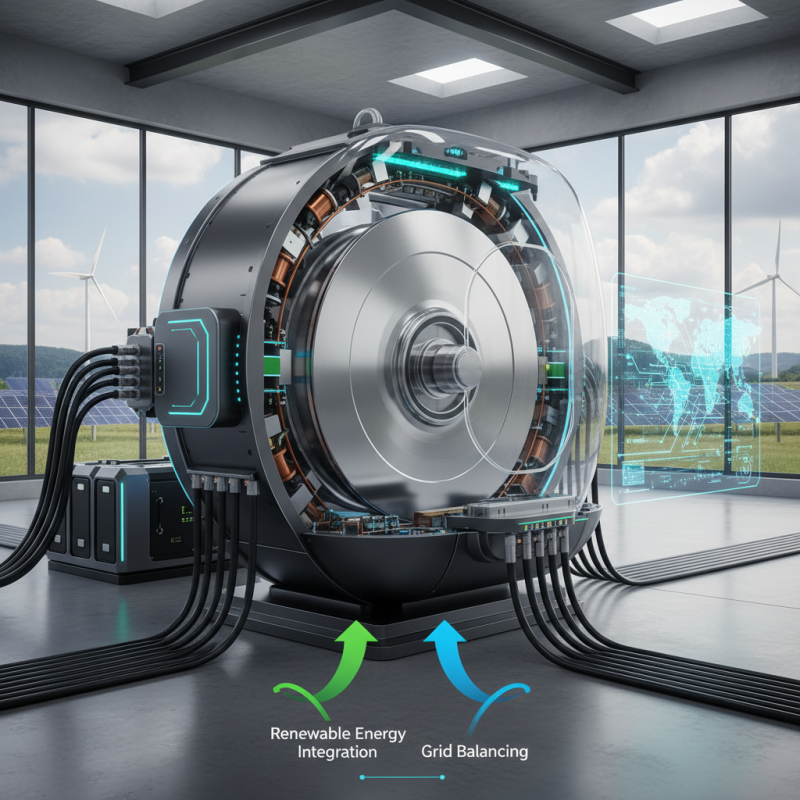
As industries worldwide seek sustainable energy solutions, Flywheel Energy Storage emerges as a key player. According to a recent report by Grand View Research, the global flywheel energy storage market is projected to reach $1.5 billion by 2026, driven by rising demand for efficient energy management. This technology offers rapid response times and longevity, making it suitable for applications like grid balancing and renewable energy integration.
However, challenges remain. The initial investment for flywheel systems can be high, making it less accessible for some users. Additionally, while flywheels promise longevity, proper maintenance is essential for optimal performance. Studies indicate that the efficiency of flywheel systems can fluctuate based on design and operational conditions. It is vital for buyers to conduct thorough research and seek reliable suppliers in this evolving market.
As we explore the best flywheel energy storage solutions for global buyers, understanding these nuances is crucial. Informed decisions can lead to better investments and enhanced energy resilience. Industry professionals must weigh the benefits against potential drawbacks when considering this innovative technology.
Key Features of Flywheel Energy Storage Systems
Flywheel energy storage systems are gaining traction in the renewable energy sector. They store energy in a rotating mass, which provides rapid response times. The systems excel in durability, with lifespans often exceeding 20 years. According to a report by the International Renewable Energy Agency, flywheel systems can operate at round-trip efficiencies of up to 90%. This efficiency makes them suitable for applications requiring frequent cycling and high power output.
One key feature of flywheel systems is their low maintenance requirements. They have fewer moving parts than other storage technologies. This reduces wear and tear, leading to lower operational costs. A study by the U.S. Department of Energy highlights that flywheels can support grid stability by providing frequency regulation and peak shaving. These capabilities are vital for integrating fluctuating renewable sources like wind and solar.
Tips: Look for flywheel systems with modular designs. This allows for easy scalability as energy needs grow. Also, consider energy density when selecting a solution. Higher energy density equates to more energy stored in less space. Reviewing industry reports can provide insights into emerging technologies and best practices. It is essential to keep abreast of advances in materials and engineering that could enhance performance further.
Best Flywheel Energy Storage Solutions for Global Buyers
This chart illustrates key features of flywheel energy storage systems including efficiency, charge time, discharge time, lifespan, and cost. It provides an overview to help global buyers identify the benefits of flywheel technology.
Types of Flywheel Energy Storage Technologies Available Globally
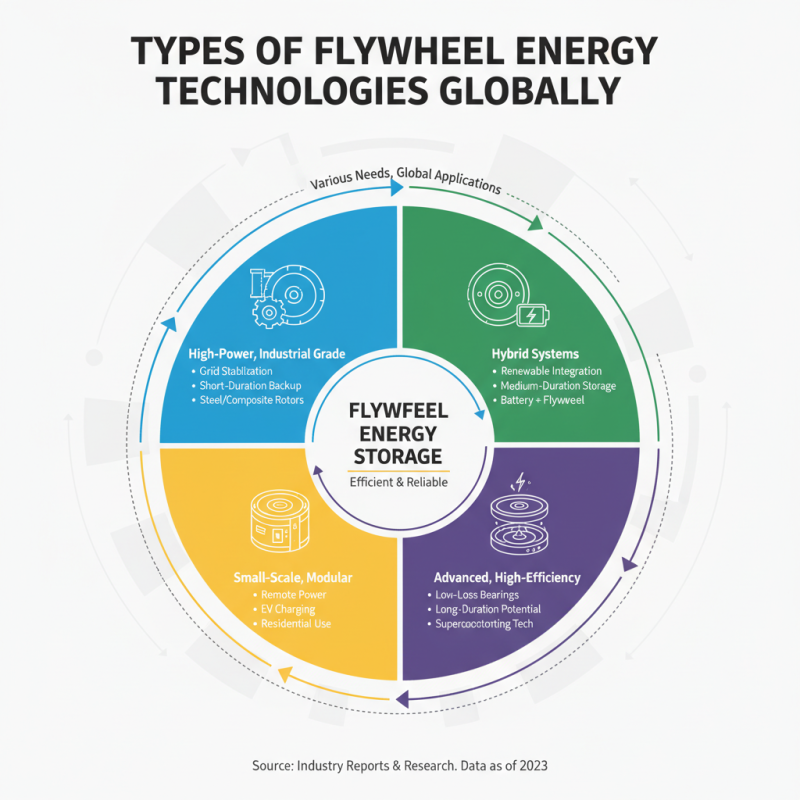
Flywheel energy storage systems are gaining attention worldwide. They offer efficient and reliable energy management. Various technologies are available, catering to different needs.
Kinetic flywheel systems use a rotating mass to store energy. They charge quickly and discharge power effectively. Reports indicate these systems can achieve over 90% efficiency. They are particularly suited for balancing renewable energy sources. Some designs leverage carbon fiber materials for enhanced durability.
Magnetic bearings are another innovation. They reduce friction, increasing lifespan and efficiency. Data shows that systems using magnetic bearings can operate at high speeds without significant wear. However, they require precise engineering, which can add complexity to installation and maintenance.
Despite their advantages, challenges persist. Cost remains a barrier for wider adoption. Additionally, not all applications may need the rapid response times flywheels offer. Understanding the specific energy storage needs is vital for buyers. Evaluating the long-term economic benefits against initial costs is essential.
Comparative Analysis of Leading Flywheel Energy Storage Brands
Flywheel energy storage systems are gaining traction worldwide. They offer quick energy release and high cycle life. Many brands are now entering this competitive market. A comparative analysis reveals distinct differences in features and efficiencies among these leading brands.
Some systems feature advanced magnetic bearings, reducing friction and wear. Others use high-strength materials to enhance durability. It’s essential to evaluate the energy density of each system. Higher density means more energy storage in a smaller footprint. Always consider maintenance requirements too. Some solutions need frequent servicing, which can impact operational costs.
Tips: Research user reviews. Real-world performance can differ from specifications. Don't underestimate installation logistics. Some setups are complex and may require specialized knowledge. Keep an eye on emerging technologies. This field is constantly evolving, so what’s best today may change quickly.
Best Flywheel Energy Storage Solutions for Global Buyers - Comparative Analysis of Leading Flywheel Energy Storage Brands
| Storage Capacity (kWh) |
Power Output (kW) |
Efficiency (%) |
Cycle Life |
Weight (kg) |
Cost ($/kWh) |
| 500 |
250 |
90 |
20,000 |
800 |
250 |
| 1000 |
500 |
92 |
30,000 |
1200 |
230 |
| 750 |
350 |
88 |
25,000 |
950 |
240 |
| 600 |
300 |
89 |
22,000 |
850 |
255 |
| 800 |
400 |
91 |
28,000 |
1100 |
220 |
Applications and Benefits of Flywheel Energy Storage Solutions
Flywheel energy storage solutions are gaining importance in diverse applications. They offer quick energy release and high cycle efficiency. Industries, renewable energy systems, and electric vehicles benefit from this technology. Flywheels store energy in a rotating mass, making them suitable for applications requiring rapid power fluctuations. This capability is essential in stabilizing grid systems.
Tips: When considering flywheel systems, evaluate the energy capacity and response time. Match these characteristics to your specific use case. Proper integration of flywheels can lead to enhanced operational efficiency.
In addition, flywheels contribute to sustainability. They have a longer lifespan compared to traditional batteries. The materials used can often be recycled, reducing waste. However, potential buyers should assess the initial costs versus long-term savings. This technology is not perfect; some may find it less effective for long-duration storage. Understanding the limitations is vital for making informed investment decisions.