10 Best Flow Batteries for Energy Storage Buyers?

Choosing among the 10 Best Flow Batteries for Energy Storage Buyers requires more than comparing capacity and price. Buyers must examine safety, cycle life, response time, maintenance, and project geography.

Flow Batteries store energy in liquid electrolytes held inside external tanks. This design separates power from energy capacity. A larger stack increases power. Larger tanks extend duration. That flexibility can suit solar farms, microgrids, and industrial sites needing four to twelve hours of storage.

“Vanadium redox flow batteries offer excellent safety and long cycle life,” says Professor Maria Skyllas-Kazacos, a pioneer in Flow Batteries research. Her view reflects decades of work on vanadium chemistry and commercial-scale applications.

The details matter.

A system may promise 20,000 cycles, yet real performance depends on temperature, electrolyte management, operating range, and service quality. A low purchase price may hide complex pumps, membranes, or replacement costs. Buyers should request independently verified test data, warranty terms, degradation assumptions, and a clear levelized-cost model.

This guide compares leading Flow Batteries through a practical buyer’s lens. It considers chemistry, usable duration, efficiency, scalability, safety, supplier experience, and long-term support. Some rankings remain subjective. Project conditions change the answer.

That is the uncomfortable part.

The best battery for a remote solar plant may not suit an urban microgrid. Vanadium systems offer maturity, but their materials can be expensive. Organic and zinc-based designs may reduce costs, yet they still face commercialization challenges. Careful questions reveal those trade-offs.
10 Best Flow Batteries for Energy Storage Buyers?

How Flow Batteries Store Energy and Why They Matter

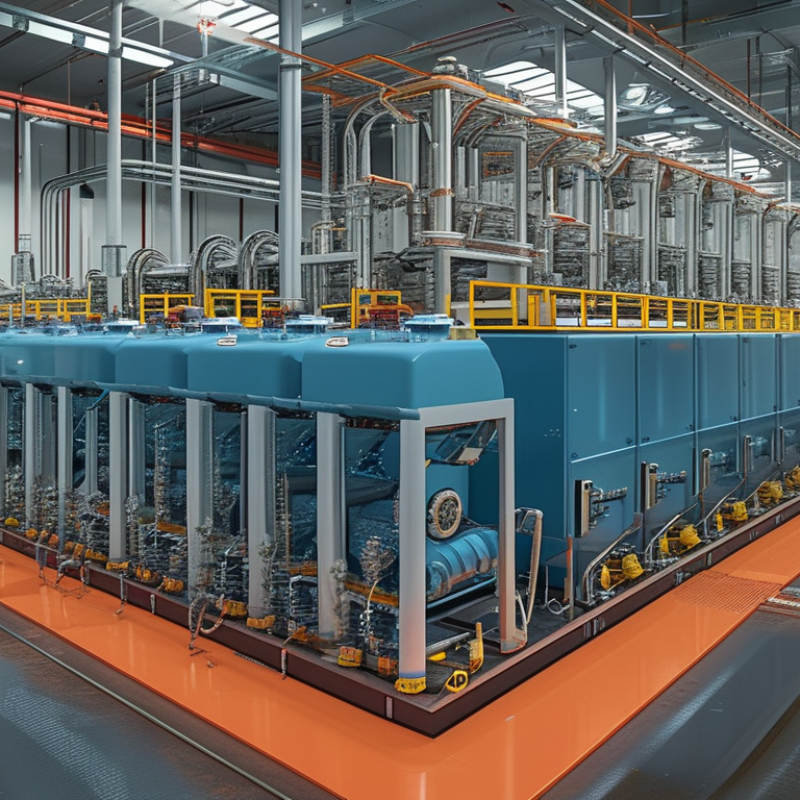
Flow batteries store energy in liquid electrolytes held inside external tanks. Pumps move these liquids through an electrochemical stack during charging and discharging. The stack creates electricity through reversible chemical reactions, while the tanks determine how much energy the system can hold.

That separation matters. A buyer can increase storage duration by enlarging the tanks without greatly changing the power equipment. This design suits solar farms that collect strong afternoon sunlight and supply electricity after sunset. Flow batteries also tolerate frequent cycling, which can support daily renewable-energy use. In practice, plumbing matters. Pumps consume energy, and poor circulation can reduce performance. Temperature control, filtration, and leak detection require careful engineering.

A serious evaluation should examine round-trip efficiency, cycle life, response time, operating temperature, and maintenance access. Electrolyte safety and tank containment deserve equal attention. A system may perform well in a laboratory but face different results in dust, heat, or uneven terrain. Efficiency is not everything, though. Long service life and easier capacity expansion may justify greater installation space. Buyers should request independently verified test data, degradation assumptions, warranty limits, and records from comparable operating sites. Some projections still look too optimistic. That uncertainty deserves a place in the purchasing discussion.

Key Criteria for Comparing Flow Batteries

10 Best Flow Batteries for Energy Storage Buyers?
Key Criteria for Comparing Flow Batteries

Buying a flow battery requires more than comparing rated megawatt-hours. Start with the duty cycle. The U.S. Department of Energy’s 2023 Long Duration Energy Storage report identifies multi-hour storage as essential for integrating renewable power. Ask whether the system delivers four, eight, or twelve hours at its rated output. Energy and power should scale independently. That flexibility can reduce oversizing, but only when the project needs long discharge periods.

Round-trip efficiency matters. Many flow systems report roughly 60% to 85%, depending on chemistry, temperature, and operating conditions. Higher efficiency usually lowers energy losses, while longer duration may improve total project value. Compare measured efficiency, not a brochure estimate. Also examine capacity fade, electrolyte replacement, pump consumption, auxiliary loads, and warranty limits. The International Energy Agency’s Electricity 2024 report says global energy storage capacity must expand sharply by 2030, increasing pressure for dependable, repeatable performance.

Safety and supply chains deserve equal attention. Review fire risk, containment design, ventilation, maintenance access, and end-of-life recovery. Lazard’s Levelized Cost of Storage analysis shows that storage economics remain highly sensitive to utilization, financing, and duration. A low upfront price may disappoint under weak cycling conditions. A neat scorecard can still mislead. Buyers should request independent test data, site-specific degradation modeling, and references from comparable climates. My practical concern is simple: projected performance often looks cleaner than field reality. Test the assumptions.

10 Leading Flow Battery Options for Energy Storage Buyers

For buyers comparing the 10 leading flow battery options, chemistry matters more than marketing. The main candidates include vanadium redox, iron-chromium, zinc-bromine, all-iron, polysulfide-bromide, hydrogen-bromine, organic aqueous, zinc-cerium, vanadium-manganese, and quinone-based systems. They suit long-duration storage because energy capacity expands with larger electrolyte tanks. The U.S. Department of Energy’s 2023 Long Duration Energy Storage report identifies 10–100 hours as a critical storage range. It also notes that major cost reductions remain necessary. That is an uncomfortable but useful warning.

Vanadium systems offer strong cycling stability, while iron-based designs may reduce material costs. Zinc-bromine options can provide compact installations, but maintenance demands deserve closer inspection. Organic electrolytes look promising, yet commercial field evidence remains limited.

Hydrogen-bromine systems can deliver high power, although gas handling adds engineering complexity. The International Energy Agency reported that global battery storage additions nearly tripled in 2023, reaching about 42 GW. Flow batteries still represent a smaller segment, so local project experience is uneven. Buyers should request round-trip efficiency, electrolyte degradation, pumping energy, fire behavior, and warranty assumptions. A low quoted price can hide replacement costs.

Tips: Ask for an independently verified degradation curve and a complete balance-of-plant estimate. Check performance at the site’s real temperature range. Do not compare electrolyte capacity alone. Include pumps, tanks, controls, land, and water treatment. I would also require references from projects operating for several years, not only demonstration sites.

Performance, Cost, Safety, and Maintenance Comparison

Choosing the 10 best flow batteries requires more than comparing advertised capacity.

Performance depends on cycle life, round-trip efficiency, response time, and temperature tolerance. Many aqueous systems deliver 65–85% round-trip efficiency, while their power and energy ratings can be sized separately. That flexibility suits solar shifting and long-duration backup. However, larger tanks, pumps, and membranes increase installation complexity.

Cost comparisons should include electrolyte, containment, controls, land, and replacement parts. A lower purchase price may hide higher balance-of-system expenses. Vanadium systems often offer strong cycle durability, while iron, zinc-based, organic, and hybrid designs may reduce material costs. Their real-world lifetimes can vary. Safety is usually favorable because aqueous electrolytes are difficult to ignite, but some chemistries require strict ventilation and spill control. Do not treat “nonflammable” as risk-free.

Tips: Ask for site-specific efficiency data, not laboratory results. Request maintenance schedules for pumps, filters, sensors, and membranes. Inspect electrolyte storage during commissioning. A practical buyer should also review technician access, noise, water quality, and cold-weather performance. These details often decide availability more than the battery label. Rankings can change quickly as manufacturing scales and projects mature. My own assessment would remain provisional without operating data from a comparable climate and duty cycle. Reliability claims need evidence, not confident wording.

How to Choose the Right Flow Battery for Your Project

Choosing among the 10 best flow batteries starts with the project’s duty cycle, not a product ranking. A six-hour solar-shifting system needs different economics than a 12-hour resilience installation. The U.S. Department of Energy’s Long Duration Storage Shot targets a 90% cost reduction for systems delivering over 10 hours. That target makes delivered energy cost more important than headline efficiency.

Ask for measured round-trip efficiency, usable capacity, cycle-life testing, and electrolyte replacement assumptions. Flow batteries often tolerate frequent cycling because energy and power are separated. However, their tanks, pumps, and controls add balance-of-plant costs. Site space matters. Their lower energy density can require larger footprints than lithium-based systems. A constrained substation may reject an otherwise excellent design.

Temperature is easy to underestimate. Request operating limits, auxiliary-load data, and cold-start performance. Also examine fire-safety documentation, water management, containment, and end-of-life plans. The IEA’s Batteries and Secure Energy Transitions report says global storage capacity must expand sharply by 2030, increasing pressure for dependable long-duration technologies. Yet projected costs vary widely by location and financing. Lazard’s Levelized Cost of Storage reports show that flow-battery economics remain sensitive to utilization, duration, and financing assumptions. Ask for a site-specific model. Generic spreadsheets can mislead. Personally, I would treat optimistic degradation claims carefully and require independently verified field data before procurement.

10 Best Flow Batteries for Energy Storage Buyers? - How to Choose the Right Flow Battery for Your Project

Rank Flow Battery Technology Typical Energy Duration Typical Round-Trip Efficiency Expected Cycle Life Typical Service Life Safety and Environmental Profile Commercial Maturity Best Fit for a Project Buyer Rating
1 Vanadium Redox Flow Battery 4–12 hours; longer durations are possible by increasing electrolyte volume Approximately 65–85% Typically 10,000–20,000+ cycles Approximately 15–25 years Aqueous, non-flammable electrolyte; vanadium electrolyte can be reused and rebalanced Commercially established Long-duration renewable integration, microgrids, and utility-scale shifting ★★★★★
2 Zinc–Bromine Flow Battery 2–10 hours Approximately 65–75% Typically 5,000–10,000 cycles Approximately 10–20 years Aqueous and non-flammable; bromine requires containment and corrosion management Commercial and field-proven in selected applications Commercial sites, remote power systems, and medium-duration storage ★★★★☆
3 Iron–Chromium Flow Battery 4–12 hours Approximately 60–75% Typically 10,000+ cycles Approximately 15–25 years Uses abundant metals in an aqueous electrolyte; hydrogen evolution and balance-of-plant control may be required Early commercial to commercially developing Cost-sensitive utility projects where long duration is more important than peak efficiency ★★★★☆
4 All-Iron Flow Battery 4–12 hours Approximately 60–75% Typically 10,000+ cycles Approximately 15–25 years Based on relatively abundant iron and water-based electrolyte; system design must manage iron precipitation and gas generation Emerging commercial technology Large stationary storage projects prioritizing material availability and low fire risk ★★★★☆
5 Zinc–Iron Flow Battery 4–12 hours Approximately 60–75% Typically 5,000–10,000 cycles Approximately 10–20 years Uses relatively abundant materials and an aqueous electrolyte; zinc deposition and shape change require careful control Emerging commercial technology Long-duration applications seeking an alternative to vanadium-based systems ★★★☆☆
6 Polysulfide–Bromide Flow Battery 4–12 hours Approximately 60–75% Typically 5,000–10,000 cycles Approximately 10–20 years Non-flammable aqueous chemistry; bromine-containing electrolyte requires suitable materials and safety controls Commercially demonstrated, with limited broad deployment Stationary systems requiring scalable electrolyte storage and non-lithium safety characteristics ★★★☆☆
7 Hydrogen–Bromine Flow Battery 2–12 hours Approximately 70–85% Potentially 10,000+ cycles, depending on system design Approximately 10–20 years Non-flammable aqueous electrolyte, but hydrogen storage, ventilation, and gas-management systems are necessary Demonstration to early commercial stage High-power applications that need fast response and frequent cycling ★★★☆☆
8 Aqueous Organic Flow Battery 4–12 hours Approximately 60–80% Approximately 5,000–15,000 cycles, depending on molecule stability Approximately 10–20 years Potentially uses metal-free, water-based electrolytes; lifetime depends strongly on chemical degradation and membrane performance Pre-commercial to early commercial Projects seeking configurable chemistry and reduced dependence on mined active metals ★★★☆☆
9 Quinone-Based Organic Flow Battery 4–12 hours Approximately 60–80% Approximately 5,000–15,000 cycles, depending on electrolyte formulation Approximately 10–20 years Aqueous and potentially non-flammable; electrolyte stability, crossover, and membrane durability are key design issues Research, pilot, and early demonstration stage Pilot projects and buyers willing to accept technology-development risk for future material flexibility ★★★☆☆
10 Vanadium–Manganese Hybrid Flow Battery 4–12 hours Approximately 60–80% Typically 5,000–15,000 cycles Approximately 10–20 years Aqueous and non-flammable; manganese stability, precipitation, and electrolyte management must be evaluated Demonstration to early commercial stage Projects seeking vanadium-based operating principles with potential electrolyte-cost diversification ★★★☆☆

Buyer note: Values are indicative industry ranges rather than guaranteed specifications. Actual performance depends on electrolyte concentration, operating temperature, state-of-charge limits, power rating, site conditions, auxiliary loads, membrane selection, and maintenance practices. Compare systems using the same duration, operating window, degradation assumption, and end-of-life capacity requirement.